FDEs for SAP
Forward deployed engineers for SAP
Our forward deployed engineers (FDEs) are a small Mindset team that works inside your business until the agents they build are in daily use. They know SAP, and they start from agents we have already built.
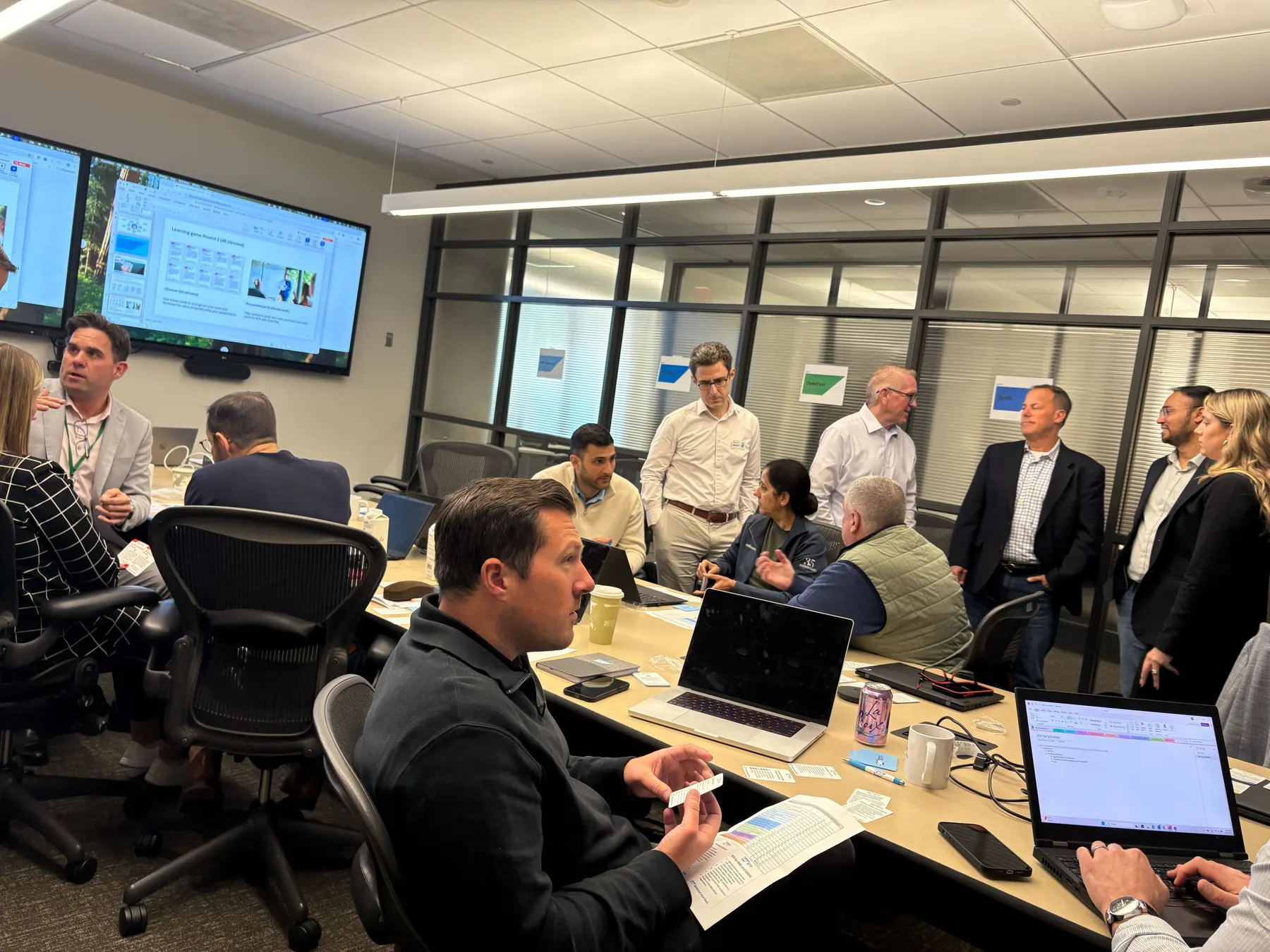
We started out forward deployed.
Mindset began in 2010 as Target’s SAP R&D lab, a few people working inside one customer’s business. We have built on SAP for the people who use it ever since. Our FDE teams work the same way, with AI agents.
“My theory then, and now, was simple: pull the good parts out of SAP, combine them with great design and more modern technology, and actually make SAP work for people.”
How it works
A builder and a designer
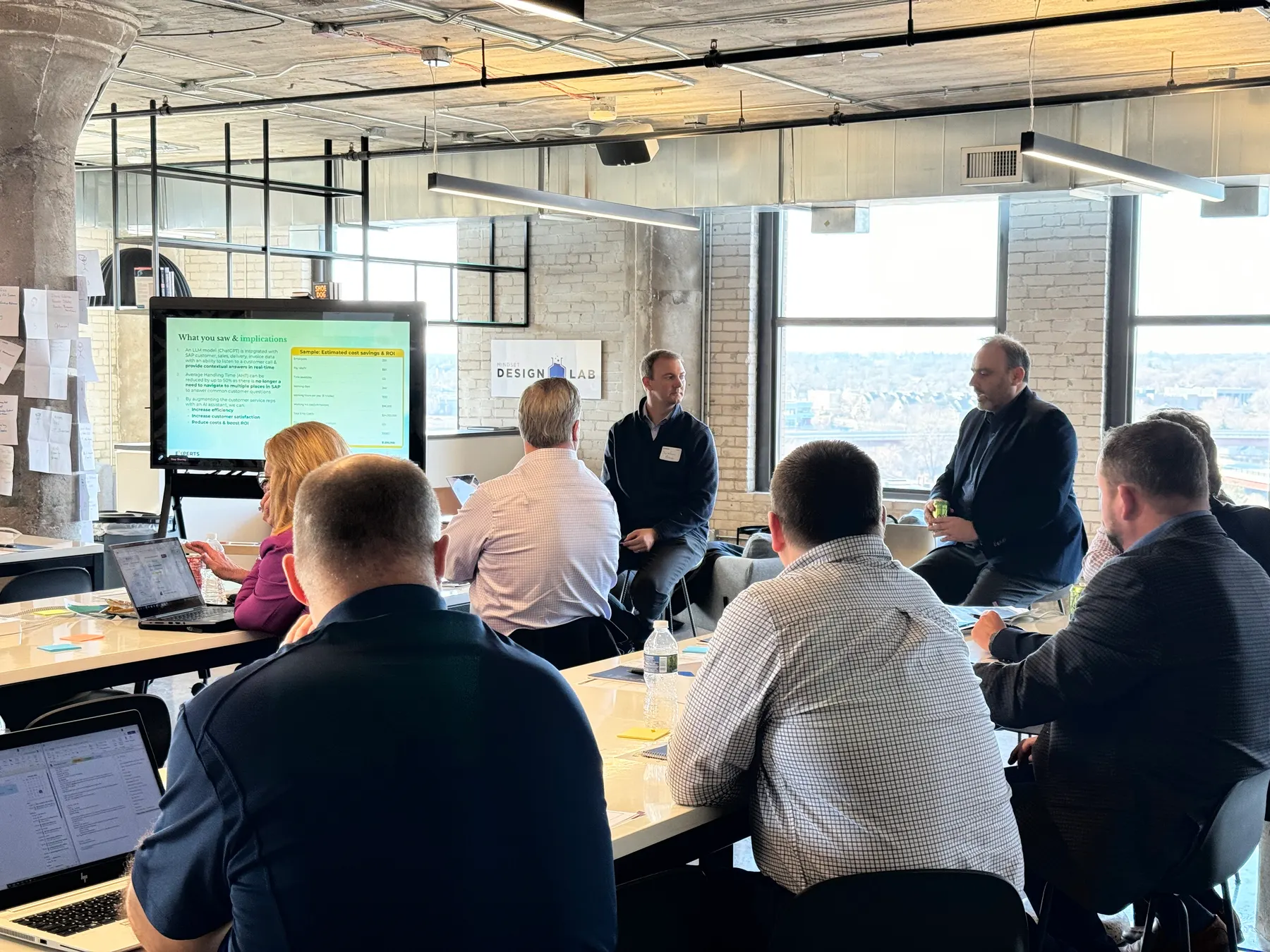
Every team pairs an engineer who builds on SAP with a designer from our AppHaus practice. The designer spends the project with the people who will use the agent, like the customer service reps clearing blocked orders, and what they learn shapes each build. We have run the Minneapolis AppHaus since 2018, the first partner-run AppHaus in the US.
Start from what already works
MIND is our library of Joule agents and SAP accelerators, built from sixteen years of projects. SAP’s AI architects validated 20 of the agents before Sapphire 2026. We fit those to your processes and data first, and write new code only where there is a gap.
Stay after go-live
When the pilot ends, we keep the agents running for a monthly fee, fix what users report, and help pick the next process. Each project adds to MIND, so later agents take less time to build. Your data stays with you. When a pattern is worth reusing, we rebuild it in our own SAP systems with test data.
Work inside your AI rules
Some clients let our AI tools into their code repositories. Others run on government cloud and allow no generative AI near their data. We agree on the rules in writing before kickoff, and on restricted projects we use only tools your security team has approved.
The first six weeks
-
Day one
A working session with your users picks one process and writes down the number it should move, like orders stuck in credit block.
-
Weeks one to five
Short build rounds. The pilot group sees each one, and their feedback decides what changes next.
-
Week six
Two or three agents go live for the pilot group. We measure them against the day-one number.
-
After that
We run the agents for a monthly fee and start on the next process.
Fixed price, agreed before we start.
“That is a gamechanger. This thing will save me so much time.”

Some of what these teams have shipped
The 20 Joule agents SAP validated are on jouleagents.mindsetconsulting.com.
Border States
Border States: Gen AI Sales Assistant on SAP BTP
Nebraska Public Power District
Nebraska Public Power District: 72 apps launched in 5 weeks, turning 8 months of build into a live Finance deployment
Lucid Motors
Lucid Motors: 65 interfaces off deprecated CPI NEO, zero downtime
TAMKO
Foundation first: how TAMKO built an AI-ready SAP platform on BTP
NTIC
Extending SAP Public Cloud by design: how NTIC builds on BTP without touching the core
Start with one process.
Tell us which process takes up most of your team’s time. We will give you a fixed price for the first six weeks before you commit. SAP’s Business AI incentive reimburses partner SOWs for a customer’s first wins, so ask whether you qualify.