

SAP that people actually want to use.

UX Transformation

Most SAP rollouts get built, then quietly ignored. We design the screens, workflows, and apps people actually open, and we measure whether they do. We were the first US-based SAP AppHaus Network Partner, and design is where Mindset started.

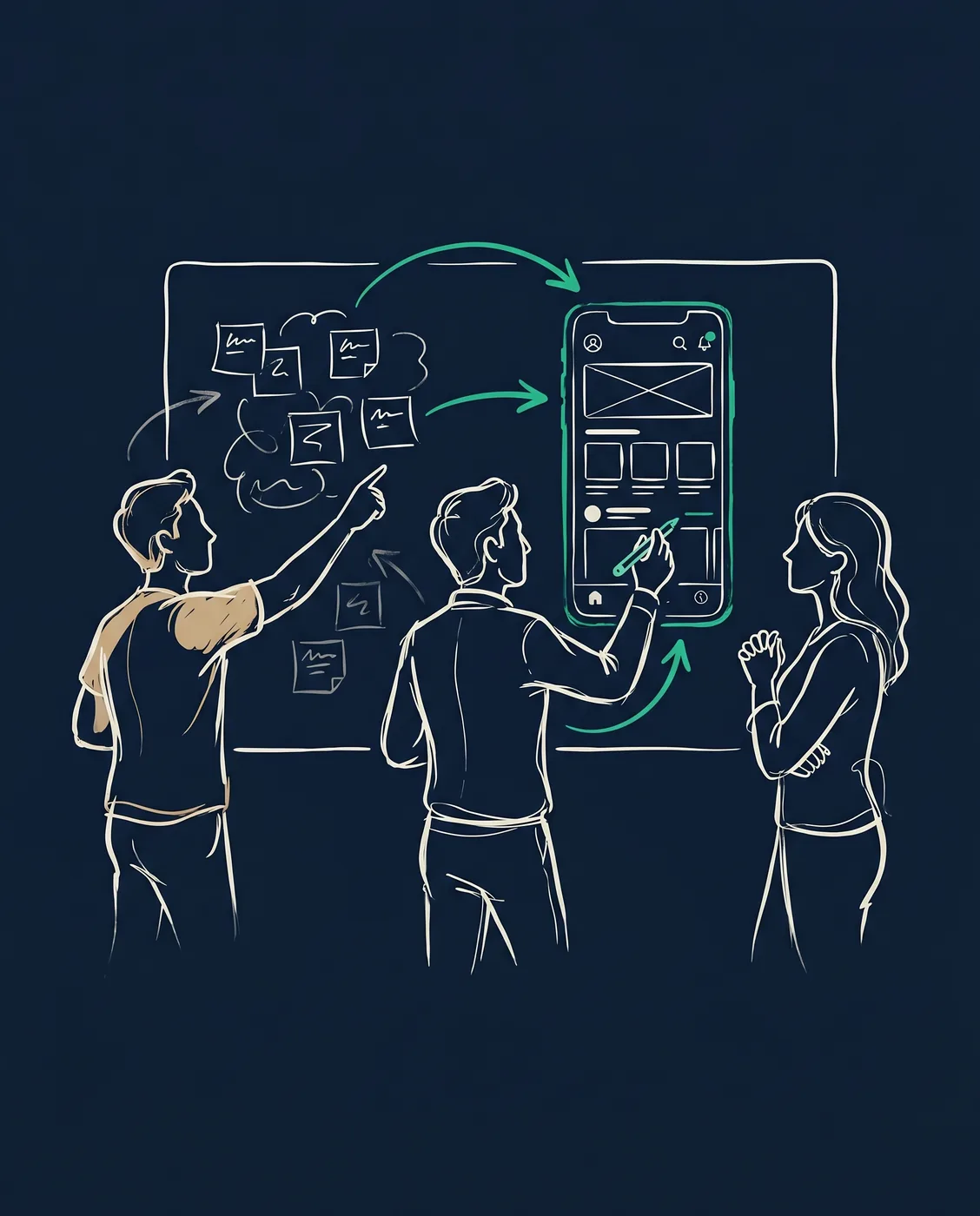
Hand-drawn sketch of designers shaping a usable SAP interface
“At the Board,” by Gemini 3 Pro ImageJun 20262,515 tokensthe story →
The real cost

Most rollouts quietly stall at 60 to 70% adoption.

What low adoption looks like

  • Shadow spreadsheets and side processes that route around SAP.
  • Workarounds that calcify into how the work actually gets done.
  • Training that never sticks, because the screen fights the user.
  • An ERP you paid for that half the team avoids.

What we design toward

  • Adoption you can measure

    Real usage data and usability scores, not a vibe.

  • Screens that collapse the busywork

    Multi-screen chores down to one. Fewer clicks, fewer errors.

  • Apps that need no manual

    If it needs a training deck, the design is not done.

  • Tools people choose to use

    Voluntary adoption, not a mandate.

Critical insight

An ERP nobody opens is a failed investment, no matter how clean the back end is.

Why us

We were the first US-based SAP AppHaus Partner.

Design isn't a service we bolted on. It's where Mindset started in 2010, as an R&D lab proving SAP could actually be good to use. We run a real AppHaus with hundreds of design-thinking sessions behind us.

We pair Design Thinking with Architecture Thinking, so a solution has to be desirable to a real person, technically feasible, and worth the money before anyone ships it.

Inside the AppHaus
First
US-based SAP AppHaus Network Partner
500+
design-thinking sessions run
Award
SAP Innovation Award winner
Gold
SAP Gold Partner and SAP Labs Network member
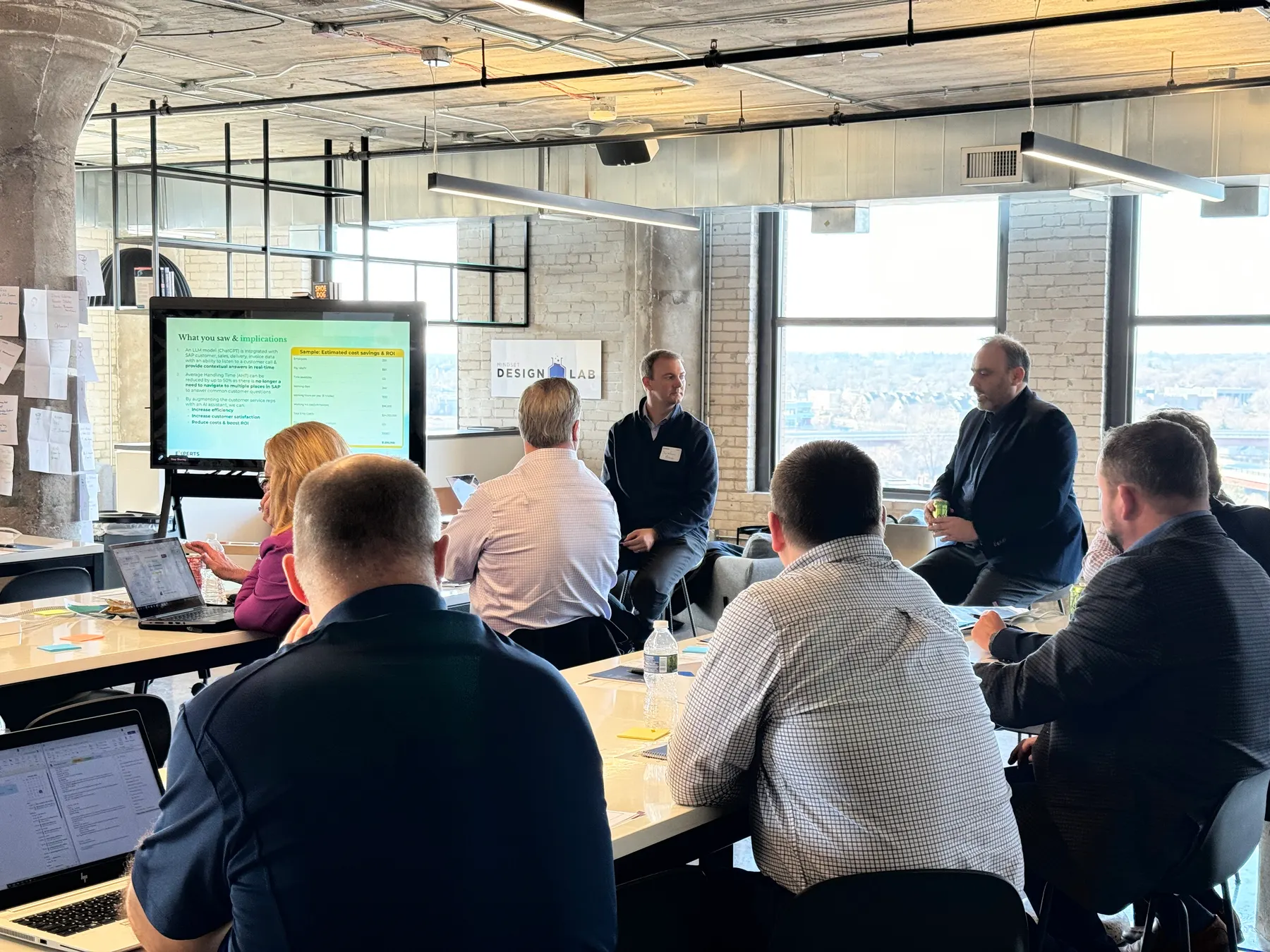
A working session at the Mindset Design Lab, presenting BTP value mapping on screen to the room
Design Lab session, Minneapolis. The wall does as much work as the deck.
How we work

Five phases. Most firms run three.

The last two are where adoption is actually won. We stay through both.

  1. Phase 1

    Explore

    Understand the people, the work, and where it breaks.

  2. Phase 2

    Discover

    Frame the real problem worth solving first.

  3. Phase 3

    Design

    Prototype the screens with the people who will use them.

  4. Phase 4

    Deliver

    Build it on SAP, production-ready, not a mockup.

  5. Phase 5

    Run & Scale

    Measure adoption, refine, and roll it out for real.

We measure adoption

We measure it. We don't guess.

Xcel EnergyXcel Energy
90%

usability score

4,000+ field workers on modern mobile tools. 80% found it intuitive on first use.

10,000+

users, zero training

Research university

Fiori apps so usable that nobody needed a manual.

93%

adoption

Network infrastructure provider

One sales-rep dashboard the reps actually open.

MIND and the agent era

The new UX is human plus machine.

Design used to stop at the screen. Now the real question is which decisions a person makes, which an agent handles, and how to keep people in control of both. That balance is the design problem of the next decade, and it is the one we are built for.

The human side

We design the judgment calls, the screens, and the moments people need to stay in the loop. Design thinking, run in a real AppHaus.

The machine side

We don't just design around AI. We build it. A fleet of Joule agents, built by us and validated by SAP.

See the agents

MIND ties it together

Our growing library of proprietary tools and accelerators, including tooling that measures real Fiori adoption, so the line between human and machine keeps getting sharper.

Explore MIND
From our thinking

We write about this.

All insights

Make SAP work for the people using it.

The first call is a working session, not a pitch. Bring a screen everyone hates and we will redesign it with you.